The Roof
I shoot from the roof of my car because the windshield lies.
UV-tinted glass shifts color temperature — a green or blue cast, haze, reflections. The image you get through it isn’t the road. It’s the road filtered through a layer of plastic designed to keep you from getting skin cancer. I want the real thing.
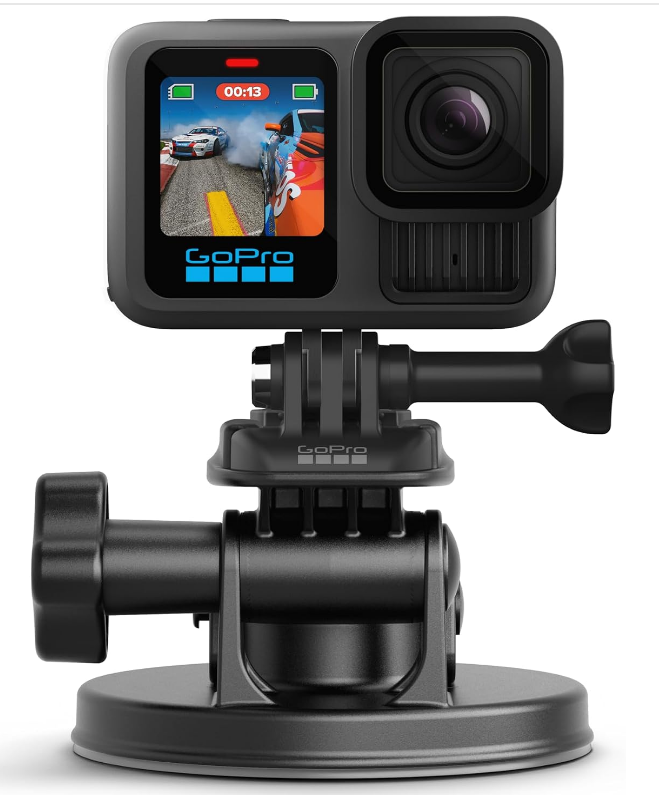
So the camera goes up top. A suction cup holds it. I never fully trust a suction cup — heat, vibration, highway speed all work against it — so I run a tether into the car. If it lets go, and it has, the camera lands on the roof instead of the asphalt. I bring it back up and keep driving.
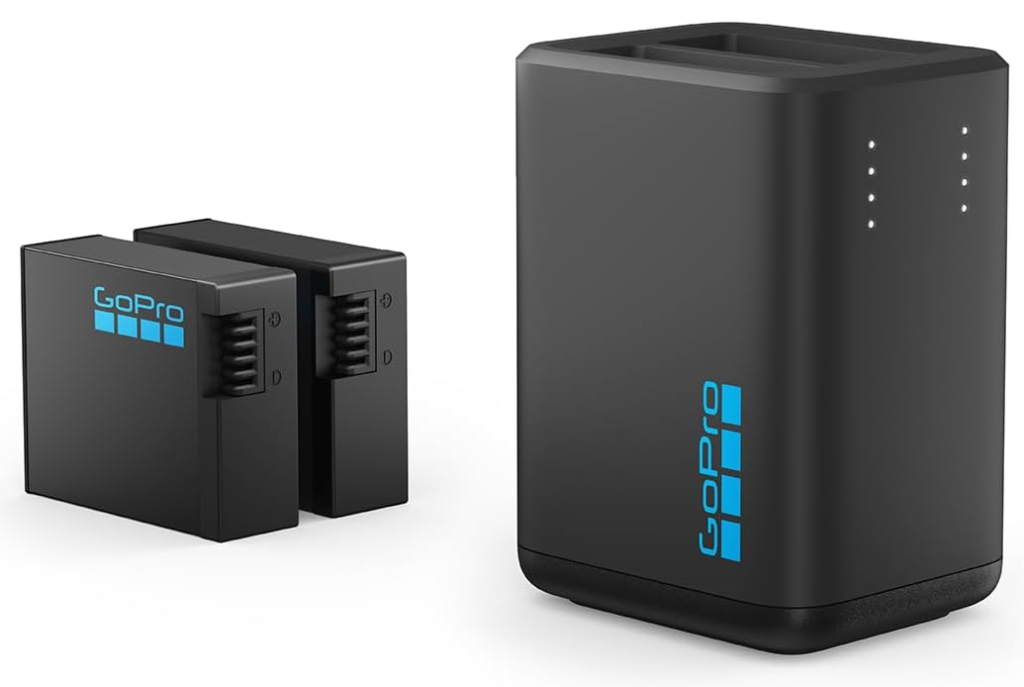
The GoPro sits up there, wired to USB power from the car or a backup battery inside. Full charge lasts about two hours even with the cable running, so I swap batteries at stops. No schedule — just whenever I’m already out of the car.
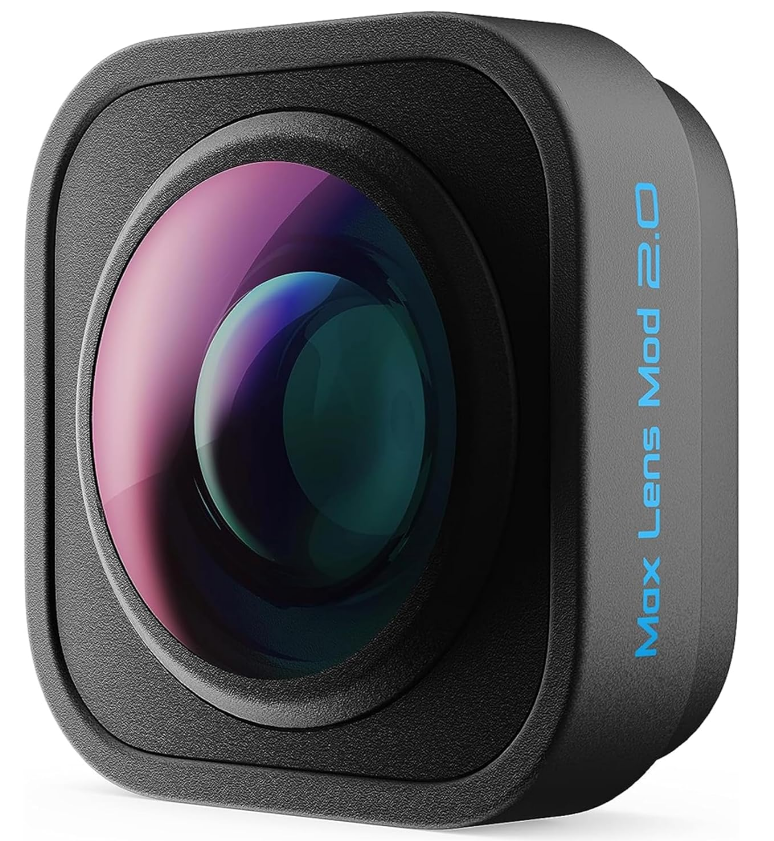
The wide angle does the rest. Forward-facing, no stabilization, no rolling shutter skew from side shots. The lens hides the shake and keeps every pixel.
This is the foundation. Everything else — the grading, the film, the eighty terabytes — starts here, on the roof, looking straight ahead.
The Rig
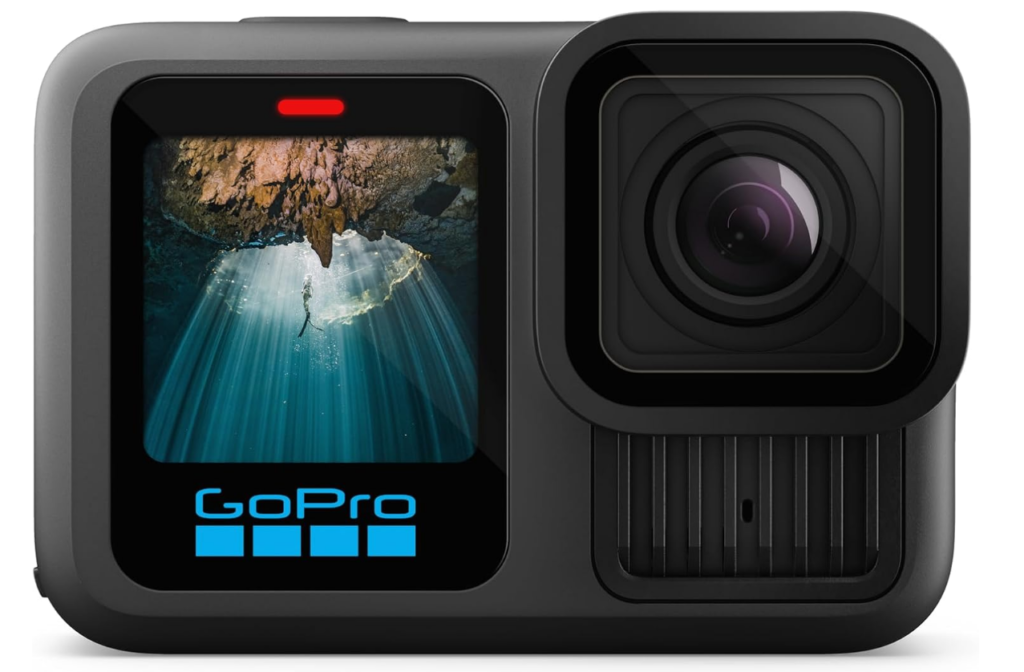
The camera is a GoPro. The power is a cable. The sound is a filter.
I run a long USB cable from the camera on the roof into the car — power only, no data. It plugs into the car’s outlet or a backup battery I keep inside. The cable stays simple on purpose. No data line to snag, no extra failure point at highway speed.
A full charge lasts about two hours, even with the cable running. The battery still drains slowly, so I swap it at stops. No schedule — just whenever I’m already out of the car. The camera never misses a beat.
The audio comes from the GoPro’s built-in mic. It’s too high-pitched raw, so I filter it down — lower frequencies, more muffled. The road becomes a hum instead of a buzz. That’s the sound of Road Mute.
No plans to change it. The built-in mic is locked in. One camera, one cable, one sound. No extra gear to fail on the roof.
The rig is the part nobody sees. It’s the part that has to work every time.
The Wide Angle
I aim the camera straight ahead. Not because it’s the prettiest angle — because it’s the only one that doesn’t lie.
A side shot at highway speed turns every passing car into a warped smear. Rolling shutter skews the geometry, and the image falls apart. Forward-facing keeps it clean. The road lines run true, the horizon holds, the frame stays honest.
The wide angle does the rest. It hides the vibration so completely that I never add stabilization in post. No cropping, no warping, no artifacts. Every pixel stays.
I shoot mostly in daylight, and the wide angle is the reason. A zoomed-in lens would magnify every bump in the road into a shake you can’t unsee. The wide angle spreads it out, makes it invisible.
Spot metering on the center keeps the exposure locked to the horizon and the road ahead — not the sky, not the asphalt. The whole frame stays balanced without me fighting it.
The lens does the work. I just point it forward and drive.
The Road
I-80 is a gift for this kind of shooting. New York to California, one continuous shot — the Great Plains, the Rockies, the Sierra, all of it rolling past the roof.
The light changes with the terrain. The east is soft, cloudy, full of corn — those fields glow in overcast instead of glaring. The west is hard shadows and open sky. Same camera, same lens, completely different mood.
I don’t chase the light. I just drive, and the country does the rest.
The Archive
I started in 2012 with a GoPro Hero 2 — and before that, the original film GoPro, the waterproof 35mm box almost nobody remembers. Most people only know the digital era.
Now I’m working through it oldest to newest, 2012 forward. Not because the footage is getting better — because the places are. The camera quality is just the frame around the memory.
Eighty terabytes of video. A time capsule of the country, one drive at a time.

The Film
The roof cam is the wide, continuous record. The film is the deliberate one.
As a passenger, I shoot 35mm and medium format Hasselblad out the side window — single frames, not video. The side angle gives glimpses instead of sweeps, more intimate, more like catching something you weren’t supposed to see.
I develop it myself. Kodak, chemistry, timing in the darkroom. The rolls sit for months before I open them, and when I do, I’m usually just amazed. The digital footage is instant. The film is a letter from my past self.
Two cameras, two speeds, one road.
The Workflow
Twenty minutes per hour of footage. That’s the pace now — fast enough to keep up with the archive, slow enough to care about each drive.
I grade every file from scratch in DaVinci Resolve, the paid version. Not a base look applied across the board — each clip gets its own treatment. Exposure and vibrancy, mostly. The GoPro’s auto white balance is solid, so I don’t fight it. I just correct what the camera can’t see and push the color a little more vibrant than normal.
Spot metering on the center keeps the exposure honest, so post is mostly refinement, not rescue.
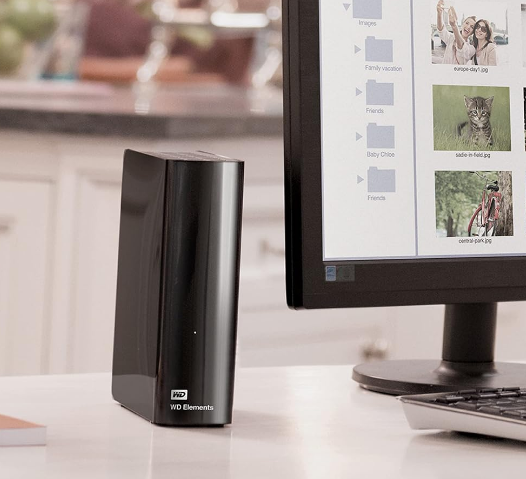
Storage is three tiers. The portable drive captures on the road. A mechanical drive holds the long-term archive at home. When I edit, I copy to a separate working drive — the master never gets touched.
The pipeline is lean. Capture, copy, grade, publish. No wasted motion.

The Rule
No music. Ever. Hard rule, for now.
Most channels lean on a soundtrack to carry the mood. I trust the road to do it. The engine, the wind, the low hum of the filtered mic — that’s the whole score. Silence is the point.
“For now” is the only wiggle room I leave myself. Something might change my mind someday. But until it does, the road stays the only voice in the car.
The Passenger
The roof cam is the driver’s view — straight ahead, wide, continuous. The film is the passenger’s view — side window, single frames, deliberate.
I shoot Hasselblad and 35mm out the side while someone else drives. The driver can’t be framing medium format at seventy miles an hour, so the passenger gets the intimate shots — the glimpses, the moments that pass too fast to catch on video.
Two perspectives, one trip. The roof sees the road. The passenger sees the world beside it.